“It is important for us as staff members to engage in the necessary work for us to be able to operate in a society that is deeply racist, examine our bias, and have those difficult conversations to do right by our students.”
~ Mary Gornick, Chief Human Resource Officer
2020 was the year Two Rivers turned intention into action by committing to being an anti-racist institution. This commitment steers our network-wide efforts to dismantle systemic racism, all forms of white supremacy, and provide an equitable space for all members of our community.
Amid the height of police brutality, racial justice movements, and evolving Two Rivers demographics, a push towards uncovering and tackling prejudices against marginalized groups surfaced. In response, Two Rivers formed 12-person Race and Equity Crews, in which staff meet monthly.
Race and Equity in Action
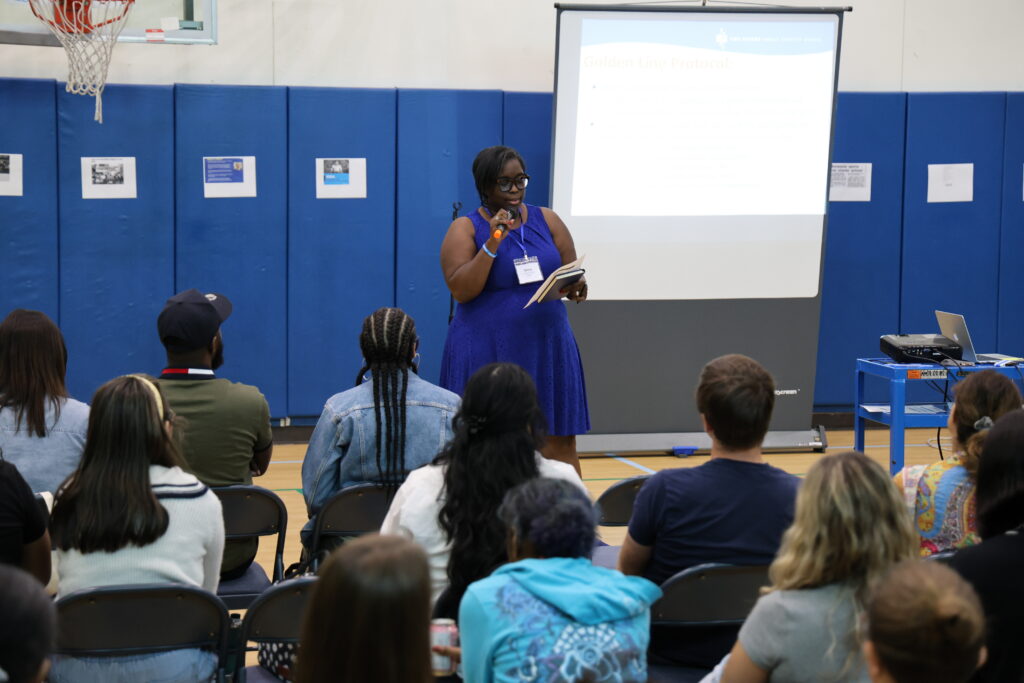
During these crew sessions, vulnerability and honest dialogue play a vital role in advancing equity work, but in order to engage in deep reflection, it is encouraged that crew members:
1. Stay engaged
2. Speak your truth
3. Experience discomfort
4. Expect and accept non-closure
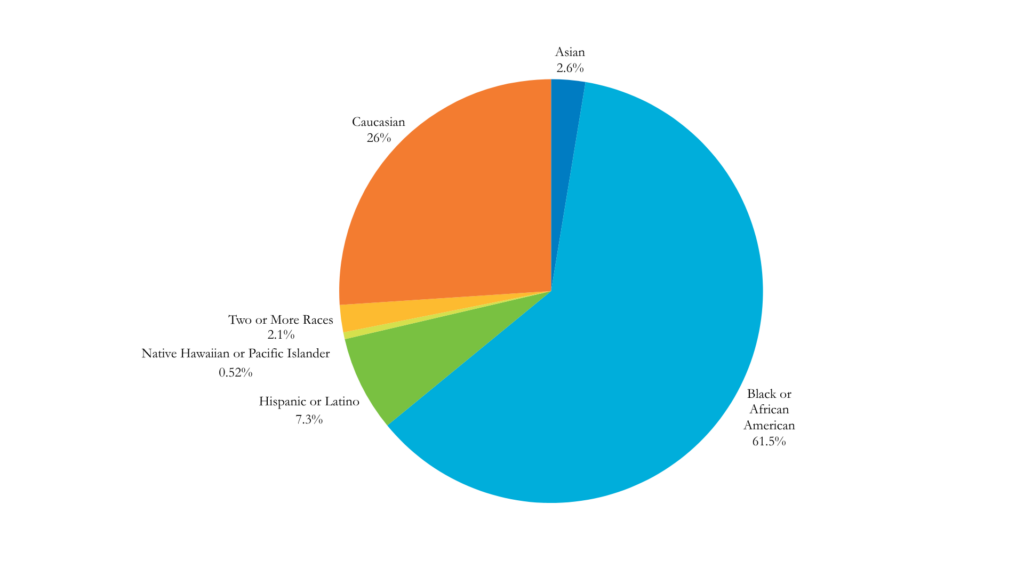
With a diverse staff, we strive to understand how aspects of our identities shape our interactions with one another and our work. At times, these differences present gaps in understanding related to white supremacy culture and the lived experiences of marginalized groups.
In February, staff participated in a session that discussed the effects and antidotes to white supremacy culture. Staff grappled with the complexities of this social construct and recognized that while it informs us, it does not define us; anything constructed can be deconstructed and replaced.
The ideology shapes how individuals internalize different cultures’ beliefs, values, and what is “normal.” Drawing on this, staff acknowledged characteristics of white supremacy culture and began to dismantle them.
Staff were introduced to these ten characteristics to help them notice the different ways white supremacy culture can show up:
| Characteristics | |
| Fear | Individualism |
| One Right Way | Progress is More & Quantity over Quality |
| Either/Or & the Binary | Worship of Written Word |
| Denial & Defensiveness | Urgency |
| Right to Comfort & Fear of Conflict | Perfectionism |
As staff engaged in conversation, they were met with these questions:
What about these characteristics hit close to home for you personally?
How do these characteristics show up (1) for you, (2) in your team, and (3) in how you serve students and families?
For example, after naming how the worship of the written word drives leaders to lead via email communication rather than conversation, the leadership team committed to engaging in conversations and taking time to discuss the information in person, rather than via email. Another example is confronting the pressures placed on schools to constantly move at an urgent pace, and the need for us to be intentional and thoughtful in order to drive change forward truly.
Staff Voices
In reflection of this work, Jada, an assistant teacher, shared, “It made me understand how important my identity is as a Black woman who grew up in both an inner-city community and a predominantly white suburb; those experiences help me communicate and connect with my students, which is essential for both of our success.”
Similarly, third-grade teacher, Jessie, shared, “This experience has pushed me to think outside the box; I often find myself reflecting on my colleagues’ thoughts and ideas when I am navigating challenges, drawing on their perspectives to help guide my decisions; It has made me more open, more reflective, and more willing to be vulnerable as I continue working on myself both personally and professionally.”
Looking ahead
Two Rivers’ mission to nurture a diverse group of students is evident in our continuous efforts to establish community, comfort, and connection. Through these ongoing conversations, we aim to broaden race and equity perspectives for all staff, so we can better serve our students. Yet, lasting impact does not happen overnight; it happens one day, one discussion, and one moment at a time.
This shared purpose is reflected in the words of Audre Lorde, who once stated, “You do not have to be me in order for us to fight alongside each other; I do not have to be you to recognize that our wars are the same.”
Together, we commit to building an equitable space that celebrates, respects, and uplifts all identities.
~Isa Walker, Communications Associate
Two Rivers Race and Equity Vision Statement
“Our Vision Statement reminds us what we mean by nurturing a diverse group of students…”
We commit to being a socially responsive, anti-racist institution that celebrates, respects, and uplifts all children and adults. As such, we stand firm on eliminating the inequities found in our academic and culture data. We address, dismantle, and critically reflect to hold ourselves and others accountable to better provide a safe learning environment where all community members have a voice and feel a sense of belonging. Through these adaptive shifts, we aim to eliminate all forms of white privilege, oppression, systemic racism, and discrimination in our network and community.
For more information on our committment to anti-racism, visit: https://www.tworiverspcs.org/who-we-are/commitment-to-anti-racism/