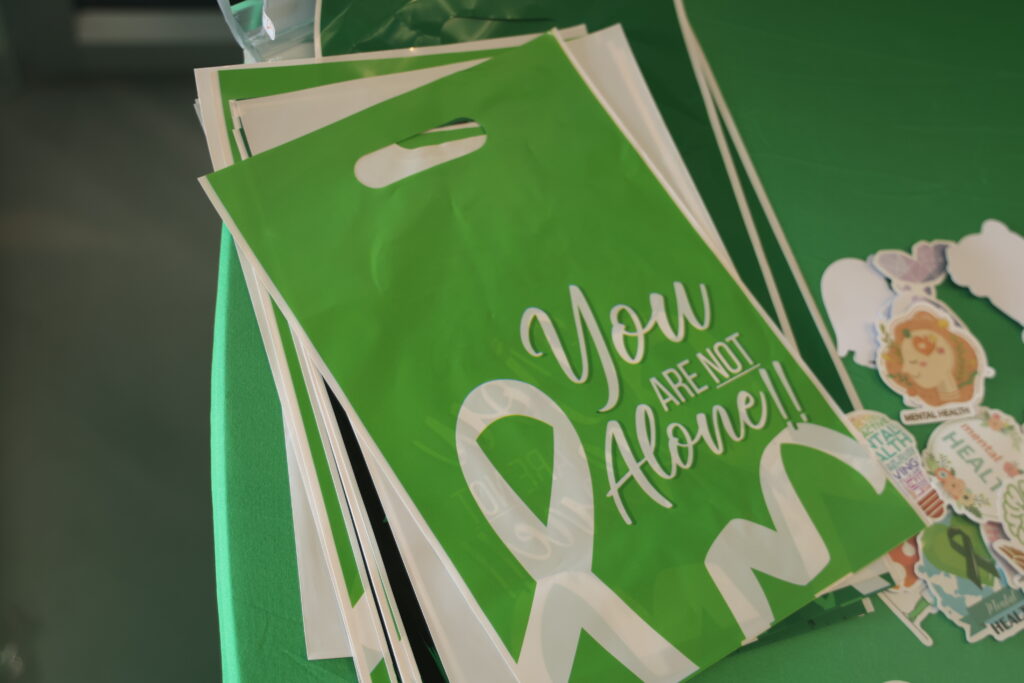
Suicide is the leading cause of death among children ages 10-14, with 1 in 7 children in the United States experiencing some type of mental health disorder (National Alliance on Mental Illness, 2025). Let that sink in. Despite the ongoing stigma surrounding mental health, we are facing a mental health crisis.
May is Mental Health Awareness Month, a time when Two Rivers focuses on educating our community about mental wellness, reducing the stigma, and providing extra support to the community. Often, students experiencing symptoms of mental illness are hindered in their academic and personal development.
Common Challenges
Common mental health challenges students are facing:
- Suicidal ideation
- Self-harm
- Problems with conflict resolution
- Poor emotional regulation
- Trauma inside their homes or communities
- Dilemmas with social media
At Two Rivers, our team of trained mental health professionals provides support for students’ emotional well-being, learning, and behavior. Mental health teams in schools play an important role in helping youth mitigate mental health issues and identify warning signs of emerging mental health conditions. “We want to make sure that we are providing students with a sense of belonging and connection. The more families and students are educated, the more they reach out for help without feeling alone. Feeling alone is one of the main factors that isolates people,” Dr. Karena, Director of Mental Health, shares.
Understanding the Roles of School Psychologists and School Mental Health Counselors
| School Counselors | School Psychologists |
| – Provide counseling to help students manage stress, anxiety, grief, friendship issues, trauma, and daily challenges – Teach coping skills such as deep breathing, problem-solving, emotional regulation, and communication – Run small groups discussing social skills, confidence, and managing big feelings – Partner with families to share strategies and connect them to community mental health resources – Work with teachers to support classroom success and student well-being | – Conduct evaluations to understand learning needs, behavior concerns, and social-emotional strengths – Provide data for IEPs and 504 plans for students needing extra support – Offer short-term counseling or skill-building in coping, problem-solving, and behavior – Support behavior plans and help teachers understand what drives a child’s behavior – Monitor progress to ensure interventions are effective – Consult with families to share observations, answer questions, and plan next steps |
Prioritizing mental health is just as important as physical health. Having good mental health does not mean kids never feel sad, angry, or worried; it means they have the tools and support to manage those feelings.
How Two Rivers Is Honoring Mental Health Awareness Month
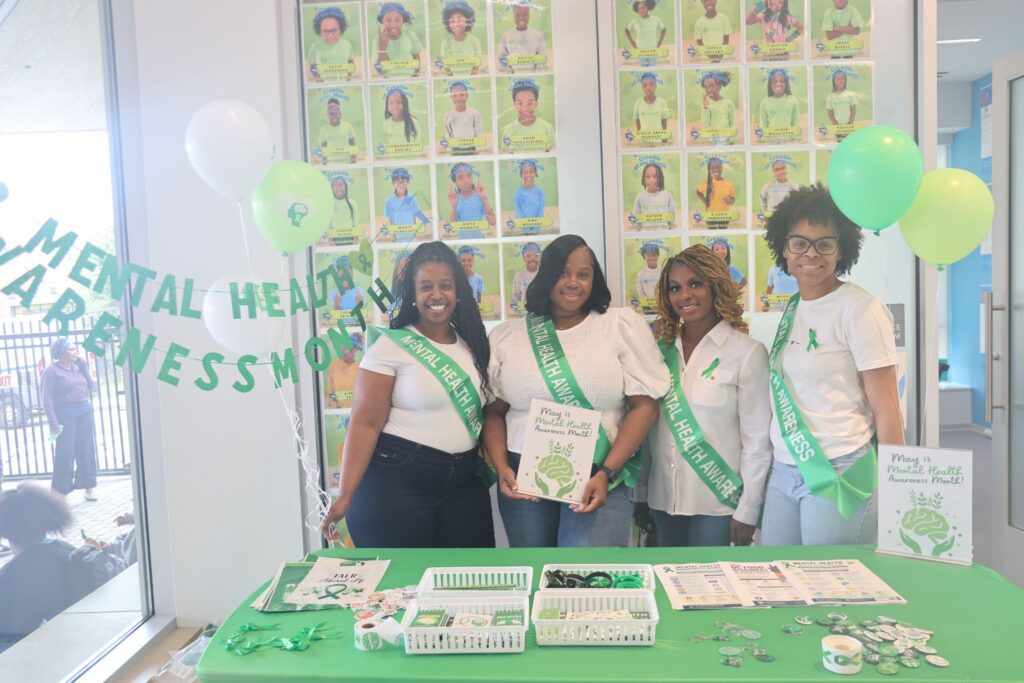
- Mental Health Resource Tables
- The mental health team set up tables at each campus to share resources and materials with students and families.
- Staff-Focused Mindfulness Monday Memos
- Each edition includes helpful resources, coping strategies, and affirmations. The memos are designed to support well-being, both professionally and personally.
- Mental Health Spirit Week
- This week is meant to encourage positivity and community involvement, while also promoting mental wellness. Each themed day connects a dress style to an important mental health message.
In addition to these school-based initiatives, there are ways families can support students’ mental health at home. Tips for families from the Two Rivers mental health team include:
- Demonstrate healthy coping mechanisms, including exercise, reading, or other mindfulness exercises for emotional regulation.
- Encourage open dialogue by establishing a routine of regularly checking in with your child to discuss their feelings, experiences, and worries.
- Limit screen time to strike a balance between digital engagement and offline activities.
As we continue to honor Mental Health Awareness Month, cultivating safe environments for students and families to seek and access the support they deserve is a top priority. Together, as a community of “Crew, Not Passengers,” we can continue to reduce the stigma around mental health.
~Isa Walker, Communications Associate
Life can feel overwhelming, but it can get better. If you or someone you know is in crisis or your child talks about wanting to harm themselves, please call or text 988 Suicide & Crisis Lifeline where support is available 24 hours a day, 7 days a week. In life-threatening situations, call 911. All reports or attempts to self-harm should be taken seriously.